Bridging Generations: Uniting Youth, Young Adults, and Seniors for Lasting Social Change


Team!! Middlebrook 2026
Creating meaningful social change requires more than just passion or ideas—it demands collaboration across generations. Youth, young adults, and senior citizens each hold unique perspectives, skills, and experiences that, when combined, can spark powerful movements and solutions. Yet, these groups often operate separately, missing opportunities to build stronger communities and address social challenges together.
This post explores how uniting these generations can create lasting impact. It offers practical ways to foster connection, highlights successful examples, and explains why bridging generational gaps matters for social progress.

Why Connecting Generations Matters for Social Change
Each generation brings something valuable to the table:
Youth often bring fresh ideas, energy, and a willingness to challenge the status quo.
Young adults tend to have growing skills, networks, and access to resources.
Seniors offer wisdom, historical context, and experience navigating complex social systems.
When these groups work in isolation, their efforts can be limited or duplicated. But when they unite, they create a multidimensional approach to social issues. For example, seniors can mentor youth on leadership and resilience, while young people can introduce seniors to new technologies or social platforms to amplify their voices.
This collaboration builds mutual respect and breaks down stereotypes that each group may hold about the others. It also strengthens community bonds, making social change efforts more inclusive and sustainable.
Practical Ways to Build Unity Across Generations
Bringing together youth, young adults, and seniors requires intentional strategies. Here are some effective approaches:
1. Create Shared Spaces for Dialogue and Action
Physical or virtual spaces where different generations can meet regularly encourage relationship-building. Examples include:
Community centers hosting intergenerational workshops
Online forums or social media groups focused on local issues
Volunteer projects that pair youth with seniors
These spaces should encourage open communication, active listening, and respect for diverse viewpoints.
2. Develop Mentorship and Skill-Sharing Programs
Mentorship programs can connect seniors with youth or young adults to exchange knowledge. For instance:
Seniors teaching traditional crafts or storytelling
Young adults helping seniors navigate digital tools
Youth leading workshops on current social movements or trends
This two-way exchange empowers all participants and builds trust.
3. Collaborate on Community Projects
Working together on tangible projects creates shared goals and a sense of accomplishment. Examples include:
Organizing neighborhood clean-ups
Running food drives or community kitchens
Advocating for local policy changes
Projects should highlight each generation’s strengths and encourage joint decision-making.

Examples of Successful Intergenerational Social Change Initiatives
Several communities have demonstrated the power of generational unity:
The Intergenerational School in Washington, D.C. brings students and seniors together in learning environments where they collaborate on projects addressing social issues like environmental sustainability.
The Generations United organization promotes policies and programs that connect youth and older adults, showing how shared advocacy can influence legislation.
Local community gardens often serve as hubs where seniors share gardening knowledge while youth contribute physical labor and social media outreach.
These examples show that when generations unite, they can create lasting social impact that benefits everyone.
Overcoming Challenges to Intergenerational Collaboration
Despite the benefits, some obstacles can hinder unity:
Communication gaps due to different language, technology use, or cultural references
Stereotypes and biases that create mistrust or misunderstandings
Scheduling conflicts or mobility issues that limit participation
Addressing these challenges requires patience, flexibility, and a commitment to inclusivity. Facilitators can use icebreakers, shared goals, and accessible meeting formats to ease tensions and build connections.
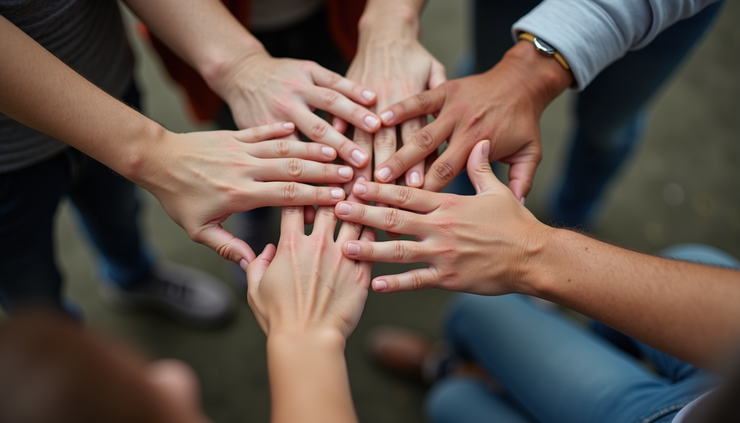
Moving Forward Together
Uniting youth, young adults, and seniors is not just a nice idea—it is a necessary step to create social change that lasts. By combining energy, experience, and skills, communities can tackle complex problems more effectively.
To start building these bridges, consider:


Comments